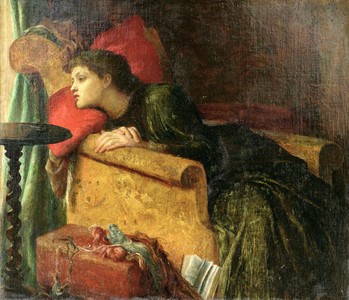
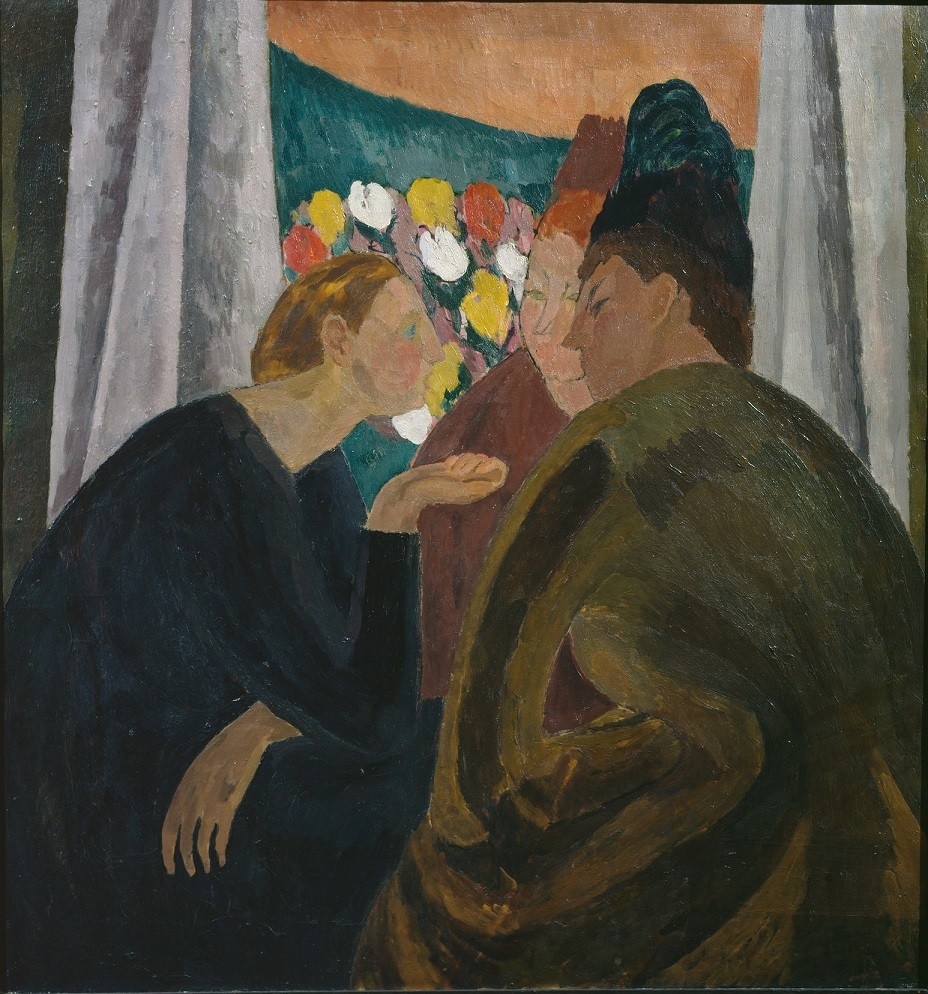
Where Words Begin and Return: On the Poetics of Silence
Poetry, at its heart, is often seen as the opposite of silence—perhaps even as a scream.
While silence grows and diminishes, poetry dreams; where life dissects, poetry listens. And yet, the two share a deeper kinship: they are ways of attending to the world with a devotion that borders on prayer.
Silence is often misunderstood as absence, as the void that remains when language ceases. Yet for Rainer Maria Rilke, silence is not the lack of sound but the deep resonance of being. In his writings, he reminds us that silence is the hidden ground in which poetry takes root—the stillness that allows language to rise and return.
But silence has also been a condition imposed, not chosen—especially upon women.
Reading Virginia Woolf, I realized that silence is not always something we choose. In A Room of One’s Own, Woolf reflects on how women, silenced for centuries by social structures and denied access to education, power, and authorship, turned not to poetry but to the novel when they first found the space to write.
Poetry, with its condensed and public voice, must have felt too exposed, too vulnerable after generations of suppression. The novel, however, offered a safer form—as Woolf believed—woven out of detail, interiority, and the daily life women were permitted to observe but not to speak of.
This brought together, for me, the idea of silence in one of the greatest poets I have read with the enforced silence of history. In Letters to a Young Poet, Rilke advises the young writer to “go into yourself.” This inward turning is not toward words but toward silence—toward a solitude where the faint stirrings of the soul can be heard.
For him, silence is the form of authenticity. It clears away the noise of convention, allowing truth to reveal itself in a whisper. To write poetry, one must first live with silence, let it teach patience, and endure its weight.
The weight.
But what if silence has also been imposed, not chosen—especially upon women?
Woolf writes of the very first women writers, like Jane Austen and her contemporaries, who transformed their silence into narrative precision: every glance, every small shift in a room, every social nuance became charged with meaning.
Because they had been denied speech, they became masters of observation.
Because their voices were muted, their sentences learned to linger, to weave, to describe.
Their novels carried the burden of what could not be spoken.
They were not only telling stories but reclaiming the right to speak.
They were throwing off the weight—the weight carried for generations.
Virginia Woolf did not only write about silence as a condition; she also wove it into the very structure of her prose. She distinguished between:
the unsaid (what is felt but withheld),
the unspoken (not yet shaped into words),
and the unsayable (that which cannot be spoken due to social taboos or the limits of language).
In Kew Gardens, Woolf stages these distinctions in the hesitant dialogue of a young couple: pauses, monotone voices, half-formed sentences. Their speech falters, caught between unsaid feelings they do not express, unspoken thoughts not yet formed, and unsayable truths barred by propriety—or by the inexpressibility of life itself:
“‘What’s “it”—what do you mean by “it”?’
‘Oh, anything—I mean—you know what I mean.’” (Woolf, Kew Gardens)
Woolf writes of “words with short wings for their heavy body of meaning”—fragile utterances that alight awkwardly on common objects, yet still point, in their own way, toward hidden precipices.
Placed beside Rilke, Woolf shows that silence is not only absence but architecture. Rilke embraces silence as the ground of poetry; Woolf fractures language to expose its weight—the unsaid, the unspoken, the unsayable. Both transform silence into form. Both seek to speak what cannot be said.
If Rilke’s silence is chosen, Woolf’s silence is imposed. Both shape literature, but from different sources: one from within, the other from without.
Yet these silences intersect. In Rilke, silence forms the very essence of the poem: the pause, the interval, the unsayable. In Woolf’s vision, silence pressed women into narrative forms that expanded the novel, filling it with interior detail and subtle observation. In both, silence transforms what writing becomes.
The poetry of silence, then, is not merely about stillness. It is about reverence for what cannot yet be spoken. Perhaps it is also a great scream. It is about recognizing that silence may nourish or wound, may be a gift of depth or a legacy of denial. Between Rilke and Woolf, silence is both the wellspring and the wound of writing.
It is the place where words begin—and where they always return.
“Voices, yes, voices, wordless voices, breaking the silence… breaking the silence? But there was no silence.” (Virginia Woolf, Kew Gardens)
A Turkish version of the essay follows.
Şiir, özünde, çoğu zaman sessizliğin karşıtı olarak görülür—hatta belki de bir çığlık olarak.
Sessizlik büyür ve küçülürken, şiir düş görür; hayat parçalanırken, şiir dinler. Ve yine de ikisi daha derin bir akrabalığı paylaşır: dünyaya, neredeyse dua etmeye varan bir adanmışlıkla yönelme biçimleridir.
Sessizlik çoğunlukla bir yokluk, hatta susulduğunda geride kalan boşluk olarak yanlış anlaşılır. Oysa Rainer Maria Rilke için sessizlik, sesin eksikliği değil, varoluşun derin yankısıdır. Yazılarında der ki, sessizlik şiirin kök saldığı gizli zemindir—dilin yükselmesine ve geri dönmesine izin veren dinginliktir.
Fakat sessizlik, özellikle kadınlar için, çoğu zaman seçilmiş değil, dayatılmış bir koşul olmuştur.
Virginia Woolf’u okurken fark ettim ki, sessizlik her zaman bizim seçtiğimiz bir şey değilmiş.
Kendine Ait Bir Oda’da Woolf, yüzyıllar boyunca toplumsal yapılar tarafından susturulan ve eğitime, güce, yazarlığa erişimi ellerinden alınan kadınların, yazmaya ilk kez alan bulduklarında şiire değil, romana yöneldiklerinden bahseder.
Şiir, yoğunlaşmış ve imgesel sesiyle, nesiller boyu süren baskıların ardından fazla açık, fazla savunmasız görünüyordu. Woolf’un inandığı gibi, roman ise daha güvenli bir biçim sunuyordu—detaylardan, içsellikten ve kadınların gözlemlemelerine izin verilip konuşmalarına izin verilmeyen günlük yaşamdan dokunan bir form.
Bu, okuduğum en büyük şairlerden birinde gördüğüm sessizlik düşüncesini tarihin zorunlu sessizliğiyle buluşturdu. Genç Bir Şaire Mektuplar’da Rilke, genç yazara “kendine dön” der. Bu içe dönüş, sözcüklere değil, sessizliğe—ruhun hafif kıpırtılarının duyulabileceği bir yalnızlığa yöneliktir.
Onun için sessizlik, özgünlüğün biçimidir. Geleneklerin gürültüsünü siler, gerçeğin bir fısıltıyla ortaya çıkmasına izin verir. Şiir yazmak için önce sessizlikle yaşamak, onun sabrı öğretmesine izin vermek ve ağırlığına katlanmak gerekir.
Ağırlık.
Ama ya sessizlik seçilmiş değil de, dayatılmış bir koşul olmuşsa—özellikle de kadınlar için?
Woolf, Jane Austen ve çağdaşları gibi ilk kadın yazarların, sessizliklerini nasıl anlatıdaki kesinliğe dönüştürdüklerini yazar: her bakış, bir odadaki en küçük değişim, her toplumsal nüans anlam yüklü hale geldi.
Konuşma hakları ellerinden alındığı için gözlem ustası oldular.
Sesleri kısıldığı için cümleleri oyalanmayı, örmeyi, betimlemeyi öğrendiler.
Romanları, söylenemeyenin yükünü taşıdı.
Sadece hikâye anlatmıyor, konuşma hakkını da geri alıyorlardı.
Onlar, nesiller boyunca taşınan ağırlığı üzerlerinden atıyorlardı.
Virginia Woolf, sessizliği yalnızca bir koşul olarak yazmakla kalmadı, aynı zamanda onu düzyazısının yapısına da dokudu. Şöyle ayırımlar yaptı:
söylenmeyen (hissedilen ama dile getirilmeyen),
dile gelmeyen (henüz sözcüklere dönüşmemiş olan),
söylenemez (toplumsal tabular ya da dilin sınırları nedeniyle ifade edilemeyen).
Kew Gardens’ta Woolf, bu ayrımları genç bir çiftin tereddütlü diyaloglarıyla sahneye koyar: duraksamalar, tekdüze sesler, yarım kalmış cümleler. Konuşmaları sendeleyerek ilerler; ifade etmedikleri söylenmeyen duygular, henüz oluşmamış dile gelmeyen düşünceler ve nezaket kurallarıyla ya da yaşamın ifade edilemezliğiyle yasaklanan söylenemez gerçekler arasında sıkışır:
“‘Ne bu “şey”—ne demek istiyorsun “şey” derken?’
‘Ah, herhangi bir şey—yani—ne demek istediğimi biliyorsun işte.’” (Woolf, Kew Gardens)
Woolf, “ağır anlamlarını taşımakta yetersiz, kısa kanatlı kelimeler” diye yazar—hantal nesnelerin üzerine beceriksizce konan kırılgan sözler, ama yine de bir şekilde gizli uçurumları işaret eden.
Rilke’nin yanına koyduğumuzda, Woolf bize sessizliğin yalnızca yokluk değil, aynı zamanda bir mimari olduğunu gösterir. Rilke, sessizliği şiirin temeli olarak benimser; Woolf ise dili parçalayarak onun yükünü açığa çıkarır—söylenmeyen, dile gelmeyen, söylenemez. Her ikisi de sessizliği biçime dönüştürür. Her ikisi de söylenemeyeni söylemek ister.
Eğer Rilke’nin sessizliği seçilmişse, Woolf’un sessizliği dayatılmıştır. Her ikisi de edebiyatı şekillendirir, ama farklı kaynaklardan: biri içeriden, diğeri dışarıdan.
Yine de bu sessizlikler kesişir. Rilke’de sessizlik şiirin özünü oluşturur: durak, ara, söylenemez olan. Woolf’un dünyasında ise sessizlik, kadınları anlatıyı genişleten biçimlere iter; romanları içsel detaylar ve ince gözlemlerle doldurur. İkisinde de sessizlik, yazının neye dönüşeceğini belirler.
Sessizliğin şiiri, o hâlde, yalnızca sakinlikle ilgili değildir. Henüz dile getirilemeyene duyulan saygıyla ilgilidir. Belki de büyük bir çığlıktır. Sessizliğin hem besleyebileceğini hem yaralayabileceğini, hem bir derinlik armağanı hem de görünmeyenin mirası olabileceğini kabul etmektir. Rilke ile Woolf arasında sessizlik, hem yazının pınarı hem de yarasıdır.
Kelimelerin başladığı ve her zaman geri döndüğü yerdir.
“Sesler, evet, sesler, sözsüz sesler, sessizliği bozuyorlar… sessizliği bozuyorlar mı? Ama hiç sessizlik yoktu ki.” (Virginia Woolf, Kew Gardens)